
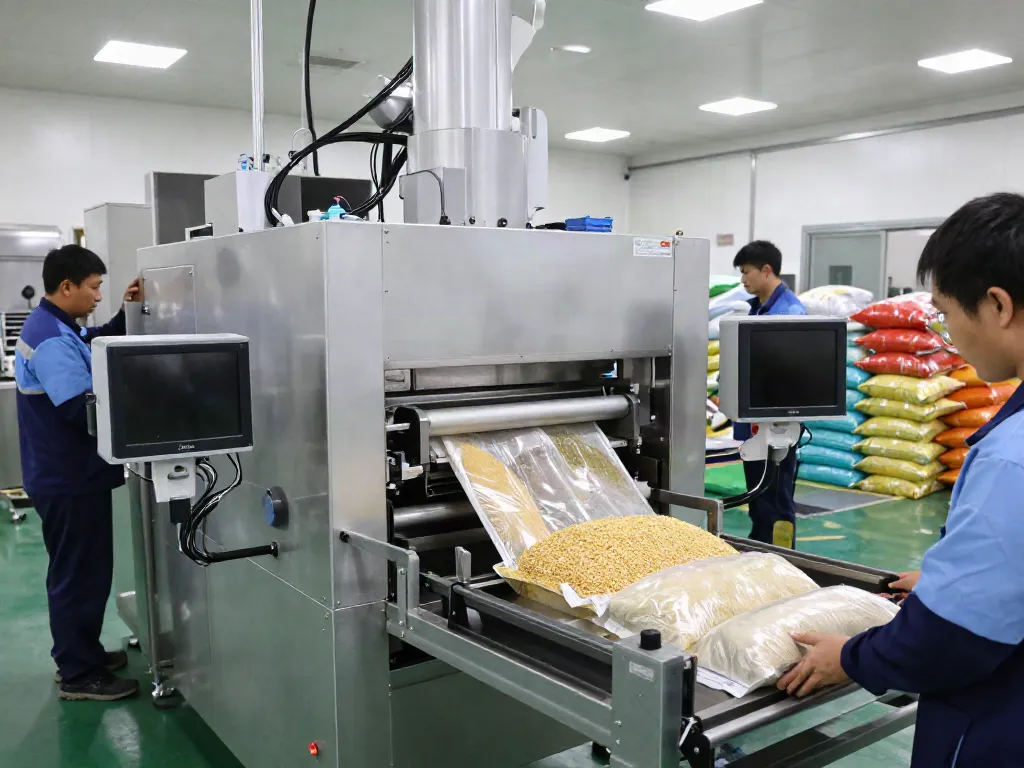
The Evolution of Automatic Bagging Machines
In recent years, the automatic bagging machine has transformed how industries manage packaging processes, combining speed, efficiency, and precision. Manufacturers, such as Durzerd, have pioneered advancements in this sector since 2005, crafting machines that cater to a diverse range of products, from food items to pharmaceuticals. The evolution of these machines reflects a significant shift in manufacturing paradigms, where productivity and accuracy are paramount. With the continuous integration of cutting-edge technology, automatic bagging machines are becoming indispensable for companies striving to meet growing consumer demands.
When exploring options, automatic bagging machine manufacturers present a variety of solutions that can greatly enhance operational efficiency. These advancements also highlight the transition from manual to automated systems, providing businesses with opportunities to innovate and streamline their packaging processes.
Understanding the Technology Behind Modern Machines
Modern automatic bagging machines are equipped with sophisticated technology that enhances their performance and adaptability. These machines use sensors, programmable logic controllers, and high-speed motors to automate bag formation, filling, and sealing. The incorporation of artificial intelligence (AI) and machine learning algorithms allows for real-time adjustments, ensuring optimal performance and minimal downtime. Additionally, advancements in robotics are facilitating the integration of automated guiding systems that can handle varying bag sizes and materials.
Key Features of Top Automatic Bagging Machines
- Speed and Efficiency: These machines can achieve high throughput rates, making them ideal for large-scale production lines.
- Customizable Settings: Users can adjust parameters such as bag size and fill volume, allowing for versatility across different products.
- Integrated Quality Control: Many automatic bagging machines come with built-in inspection systems to ensure product integrity and minimize waste.
- User-Friendly Interfaces: Enhanced software interfaces simplify operation, enabling staff to quickly learn and operate the machinery effectively.
Comparison with Traditional Packaging Methods
While traditional packaging methods often rely heavily on manual labor, automatic bagging machines significantly reduce human intervention, thus decreasing labor costs and minimizing human error. Unlike manual systems that can be slow and inconsistent, automated solutions offer rapid processing times and consistent quality across production batches. This transition not only enhances efficiency but also improves the overall reliability of packaging practices.
Benefits of Choosing the Right Manufacturer
Selecting the appropriate manufacturer of automatic bagging machines can lead to substantial long-term benefits for your organization. The right manufacturing partner will offer not only high-quality machinery but also comprehensive support, including training, maintenance, and upgrades. Understanding the nuances of the industry and evaluating potential manufacturers is crucial for businesses aiming to enhance their packaging efficiency.
How to Evaluate Potential Automatic Bagging Machine Manufacturers
When assessing potential manufacturers, consider factors such as:
- Reputation: Research the manufacturer's track record and customer testimonials to gauge reliability and service quality.
- Technological Advancement: Look for machines equipped with the latest features and technology that can adapt to your needs.
- Customer Support: Robust after-sales support is essential for maintenance and troubleshooting.
- Customization Options: A manufacturer that offers customizable solutions can better meet unique packaging demands.
Case Studies: Success Stories of Efficient Packaging
Numerous companies have experienced significant success after implementing automatic bagging machines. For instance, a leading player in the food sector reported a 40% reduction in packaging time after switching from manual to automated processes. Another pharmaceutical company noted enhanced compliance with industry standards due to the precision of their new automatic bagging system, which significantly minimized product wastage.
Common Challenges in Selecting the Right Equipment
Despite the benefits, selecting the appropriate automatic bagging machine can present challenges. Companies may struggle with understanding the specific needs of their production line or may be overwhelmed by the variety of options available in the market. Additionally, the initial investment may deter businesses from transitioning to automated solutions, even when the long-term savings and efficiency gains are evident.
Applications Across Industries
Automatic bagging machines are versatile devices that cater to various industries, showcasing their adaptability across different contexts.
Food and Beverage Packaging Solutions
In the food industry, maintaining freshness and compliance with safety standards is paramount. Automatic bagging machines provide efficient solutions for packaging dry goods, liquids, and frozen products. Their speed and reliability make them suitable for high-demand environments, where the battle against spoilage begins at the packaging stage.
Pharmaceuticals: Ensuring Safety and Accuracy
For the pharmaceutical industry, packaging equipment plays a critical role in ensuring accuracy and safety. Automatic bagging machines are designed to handle sensitive products, maintaining strict compliance with industry regulations. These machines help minimize human error and ensure that products are securely packed to withstand transportation and storage challenges.
Consumer Goods: Versatility in Packaging
When it comes to consumer goods, the variety of products necessitates flexible packaging solutions. Automatic bagging machines can handle different bag sizes and shapes, making them ideal for various items such as household goods, cosmetics, and electronics. This versatility allows manufacturers to respond quickly to market changes and consumer demands.
Future Trends in Automatic Bagging Machines
As we look ahead to 2026 and beyond, several trends are shaping the future of automatic bagging machines. These innovations promise even greater efficiency and sustainability in the packaging industry.
Innovative Features to Look for by 2026
Future automatic bagging machines are expected to incorporate advanced technologies such as:
- IoT Connectivity: Machines will be integrated with Internet of Things (IoT) capabilities, enabling remote monitoring and predictive maintenance.
- AI-Driven Optimization: Enhanced AI algorithms will allow for real-time adjustments based on production needs and quality control metrics.
- Smart Packaging: Features that enhance customer engagement and product traceability will likely become standard in packaging solutions.
The Growing Importance of Automation in Industry
As consumer demands continue to evolve, the push for automation across industries is becoming increasingly prevalent. Companies that embrace this transition will likely benefit from heightened efficiency and reduced operational costs, positioning themselves as leaders in their respective markets.
Environmental Considerations and Sustainable Practices
Environmental sustainability is becoming a crucial factor in equipment selection. Future automatic bagging machines will focus on using eco-friendly materials and processes, aligning with the global push towards sustainability. Manufacturers will need to prioritize solutions that not only meet production goals but also minimize environmental impact.
Frequently Asked Questions about Automatic Bagging Machines
What are the advantages of automated over manual packaging?
The primary advantages of automated packaging include increased speed, consistency, reduced labor costs, and enhanced quality control. By minimizing human intervention, businesses can achieve higher output with lower error rates.
How do automatic bagging machines improve production efficiency?
Automatic bagging machines streamline the packaging process by integrating bag formation, filling, and sealing into a single automated system. This results in faster turnaround times and reduced production bottlenecks.
What industries benefit the most from using automatic bagging machines?
Industries such as food and beverage, pharmaceuticals, and consumer goods are among the primary beneficiaries of automatic bagging machines, as they require precise packaging solutions to meet industry standards and consumer expectations.
Are manual bagging machines still relevant in today's market?
While automatic machines dominate the market, manual bagging machines still find their place in small-scale operations or situations where production volume does not justify the investment in automation.
What should I consider when purchasing an automatic bagging machine?
Consider the machine's speed, compatibility with your product types, ease of operation, and the manufacturer’s reputation for support and service. These factors will significantly influence the suitability of the machine for your needs.