Understanding AI Infrastructure
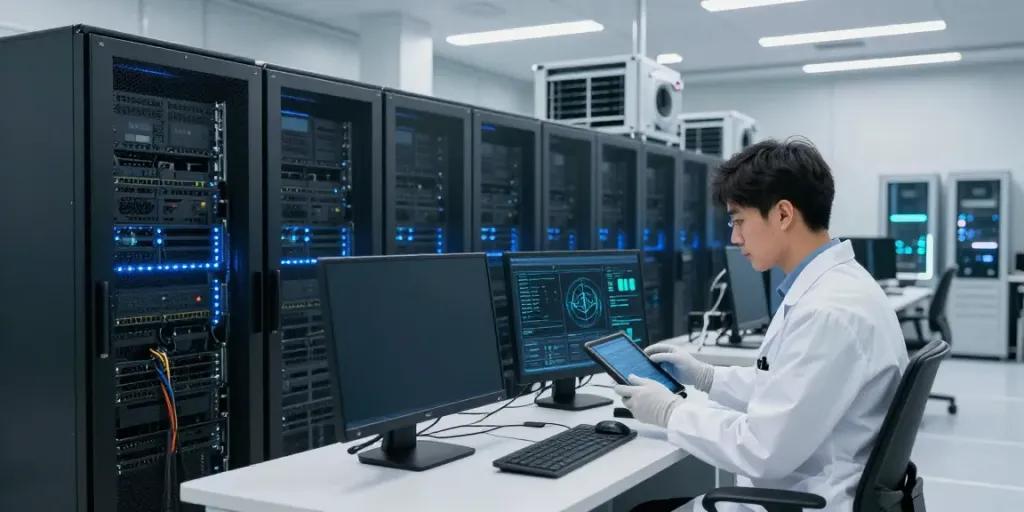
As artificial intelligence continues to permeate various sectors, the importance of robust AI infrastructure cannot be overstated. AI infrastructure comprises the physical and virtual resources required to develop, train, and deploy AI models and applications effectively. This infrastructure encompasses hardware components such as servers and GPUs, as well as software systems that manage these resources. When exploring options, AI infrastructure provides comprehensive insights into how these elements work together to support the demands of AI workloads.
What Constitutes AI Infrastructure?
AI infrastructure is not a one-size-fits-all solution; rather, it consists of a combination of components that work in harmony to provide the necessary environment for AI models. At its core, AI infrastructure includes:
- Hardware: This includes high-performance computing units, such as GPUs and TPUs, along with storage solutions and networking capabilities. The hardware enables efficient data processing and model training.
- Software: AI infrastructure relies on a sophisticated software stack that includes operating systems, machine learning frameworks, and orchestration tools. These software solutions are crucial for managing the hardware, scheduling tasks, and facilitating communication between various components.
- Data Management: Data pipelines are integral to AI projects. Efficient data management tools are required to collect, process, and analyze data effectively, ensuring that AI models have access to quality data for training and inference.
The Role of Hardware and Software in AI
The synergy between hardware and software is what brings AI infrastructure to life. The performance of AI models heavily depends on the computational power provided by hardware, whereas software serves as the backbone that enables this hardware to function effectively. For instance, GPUs accelerate the training of deep learning models by handling multiple parallel processes, while platforms like TensorFlow and PyTorch provide the necessary frameworks to develop these models.
Key Components of Effective Infrastructure
To build an efficient AI infrastructure, several key components need to be integrated:
- Scalability: The infrastructure must be scalable to accommodate increasing workloads and data volumes. This ensures that organizations can grow their AI capabilities without significant overhead.
- Reliability: An effective AI infrastructure must maintain high availability, minimizing downtime and ensuring consistent performance. This is crucial for applications that require real-time data processing.
- Security: Data security is paramount in AI infrastructure, especially given the sensitivity of data used in training AI models. Adequate security measures must be in place to protect this data from breaches and unauthorized access.
Participating in the AI Token Economy
As AI technologies advance, new economic models are emerging, such as the AI Token Economy. This approach allows individuals and organizations to participate actively in AI infrastructure development and rewards them for their contributions. Understanding how to engage with this economy can provide significant advantages.
How to Engage with AI Infrastructure
Participation in the AI Token Economy typically involves selecting a dedicated power plan that aligns with individual or organizational goals. By activating a plan, users can support the electricity consumption needed for AI workload processing, thus becoming active contributors in AI infrastructure.
Benefits of Participating
Engaging with the AI Token Economy offers several benefits:
- Financial Rewards: Participants can earn tokens based on their contributions to AI infrastructure, effectively monetizing their electricity usage.
- Boosting Innovation: By supporting AI operations, participants contribute to the broader ecosystem, fostering innovation and accelerating AI advancements.
- Networking Opportunities: Being part of the AI Token Economy often leads to collaborations and partnerships within the tech community, expanding networks and resources.
Challenges Faced by Participants
Despite the benefits, individuals and organizations may encounter several challenges while participating:
- Understanding Complex Plans: The variety of available power plans can be overwhelming, making it crucial for participants to comprehensively evaluate their options.
- Technical Hurdles: Engaging with AI infrastructure often requires technical knowledge and expertise that some participants may lack.
- Market Volatility: The AI Token Economy can be influenced by external factors, making it essential for participants to stay informed about market dynamics.
Choosing the Right AI Infrastructure Power Plan
Selecting the appropriate power plan is critical for maximizing participation in AI infrastructure. The right choice aligns with your needs and goals, ensuring you derive the maximum benefit from your investment.
Types of Power Plans Available
51 AIpower offers various power plans to suit different needs, including:
- Core Power Access: A basic plan for individuals looking to participate without heavy electricity needs.
- Enhanced Power Access: Designed for users with moderate AI workload requirements.
- Advanced Power Access: Suitable for those needing substantial power for intensive AI applications.
Evaluating Your Power Needs
When choosing a plan, participants must evaluate their expected power needs based on their intended AI workloads. Consider factors such as:
- Type of AI applications being used
- Expected data processing volume
- Frequency of AI service usage
Setting Goals for Infrastructure Participation
Establishing clear goals is essential for measuring success in the AI Token Economy. Whether aiming for financial returns, supporting innovation, or enhancing operational efficiency, having defined objectives allows participants to align their activities with their aspirations.
Calculating Your Contribution Rewards
Understanding how rewards are earned and calculated is vital for participants in the AI Token Economy. This clarity enables effective strategy formulation to optimize contributions.
Understanding Token-Metered AI Services
Token-metered AI services measure usage based on input and output tokens. Every interaction with an AI model translates into tokens, which helps determine how much resource usage translates into rewards.
Reward Structure and Calculation Process
The process for calculating contribution rewards involves:
- Tracking electricity usage associated with your power plan.
- Recording the tokens processed in relation to AI workloads.
- Calculating service revenue and deducting operational costs to determine your share of the rewards.
Tracking Performance and Adjustments
Participants can monitor performance through the platform, allowing them to assess how their contributions impact overall AI infrastructure efficiency. Regular reviews can help identify areas for improvement or adjustments in strategy.
Future Trends in AI Infrastructure
The landscape of AI infrastructure is ever-evolving, and staying ahead of the trends is essential for participants and organizations alike. Understanding these trends can guide future investments and strategies.
Emerging Technologies in AI Infrastructure
Several emerging technologies are shaping the future of AI infrastructure, such as:
- Quantum Computing: This could revolutionize the speed and efficiency of AI model processing.
- Edge Computing: Essential for reducing latency in AI applications, enabling real-time processing closer to data sources.
- AI-Optimized Hardware: Innovations in specialized hardware designed specifically for AI workloads will enhance performance and reduce energy consumption.
Predicted Developments for 2026 and Beyond
Looking toward 2026, we can expect:
- Increased reliance on decentralized AI models, leveraging distributed computing resources.
- Heightened focus on sustainable practices in AI infrastructure, ensuring that energy consumption aligns with eco-friendly initiatives.
- Advancements in regulatory frameworks that govern AI services, potentially affecting participation in the AI Token Economy.
Strategies for Sustained Success
To achieve long-term success in AI infrastructure, participants should consider adopting the following strategies:
- Continuous Learning: Stay informed about technological advancements and market changes.
- Networking: Engage with other participants and experts to share insights and strategies.
- Diversification: Explore various AI projects and applications to maximize contribution potential.
What Are the Key Benefits of AI Infrastructure?
AI infrastructure offers key benefits, including:
- Enhanced scalability for AI applications, accommodating growing demand.
- Improved performance and efficiency through optimized resource management.
- Accessibility for individual participants, democratizing entry into AI-driven projects.
How Can Individuals Participate in AI Infrastructure?
Individuals can engage in AI infrastructure through easily accessible platforms and power plans tailored to various needs. By selecting a plan that fits their objectives, they can contribute to broader AI initiatives without needing to manage hardware directly.
What Challenges Do New Users Face in AI Infrastructure?
New users often confront challenges such as understanding the complex ecosystem, navigating power plans, and keeping abreast of technological developments. Addressing these challenges requires proactive learning and support from established participants.
How Is AI Infrastructure Evolving with New Technologies?
The integration of new technologies, such as machine learning and cloud computing, is continuously reshaping AI infrastructure. These advancements are making it more efficient, scalable, and accessible for various stakeholders, from startups to large enterprises.
What Metrics Are Essential for Measuring AI Infrastructure Success?
To assess the effectiveness of AI infrastructure, key metrics include:
- Performance benchmarks of AI models
- Efficiency of resource utilization
- Response times for AI applications
- Financial returns from contributions to the AI Token Economy