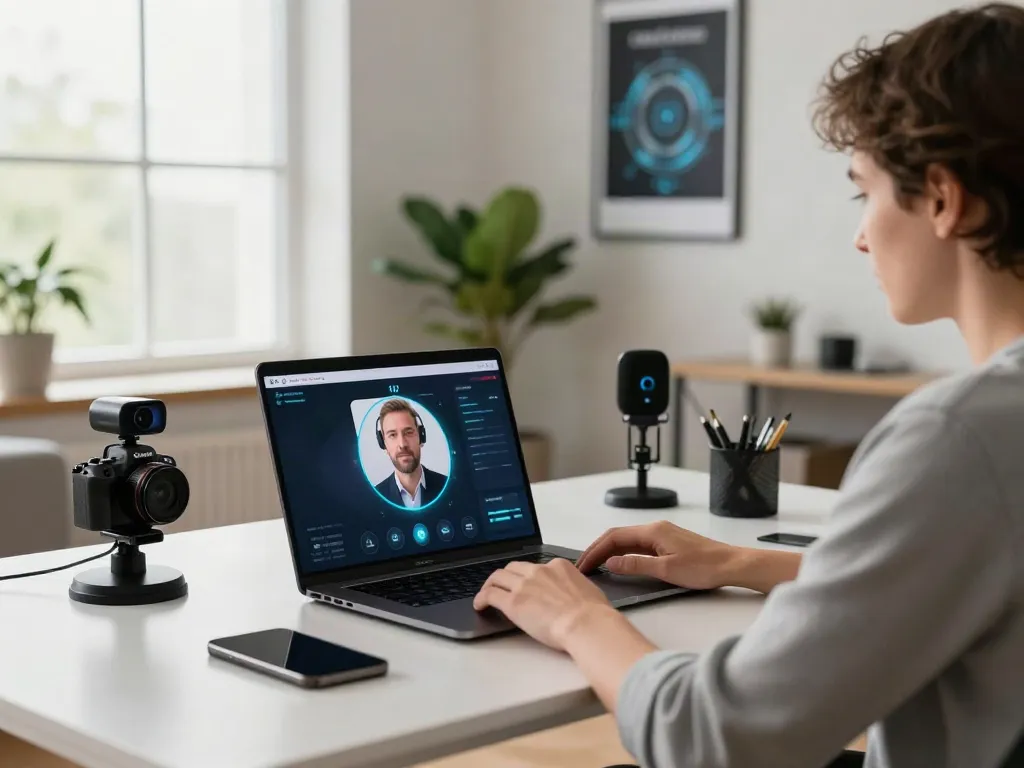
Understanding Deepfake Technology and Its Impact
In today's fast-paced digital communication landscape, the emergence of deepfake technology has brought about significant challenges, particularly regarding online video calls. As cyber threats evolve, understanding the mechanics and implications of deepfakes is crucial for both individuals and organizations. Deepfake protected Online Video Calls are becoming increasingly essential as fraudsters find innovative ways to exploit video communication platforms. This article delves into the nature of deepfakes, explores how they affect online interactions, and provides actionable insights to enhance video call security.
What are Deepfakes and How Do They Work?
Deepfakes utilize advanced artificial intelligence (AI) and machine learning algorithms to create hyper-realistic audio and video content that mimics real individuals. This technology can superimpose a person's likeness onto another individual or generate entirely synthetic representations. By analyzing vast data sets of images and videos, AI algorithms can produce convincing fakes that blur the line between reality and manipulation.
The most commonly known application of deepfakes includes generating fake videos for entertainment purposes; however, their potential for misuse is alarming, particularly in the realm of online video communication. As this technology matures, so too does its ability to facilitate scams and create trust crises in professional and personal interactions.
The Rise of Deepfake Technology in Video Calls
With the proliferation of video conferencing tools, deepfake technology has found fertile ground to thrive. Many individuals and organizations are unaware that they could be interacting with a digitally manipulated version of a person during video calls. Instances of fraudsters impersonating executives or other key personnel have increased, leading to unauthorized transactions and data breaches. For example, cybercriminals can create a deepfake of a company CEO to approve a fraudulent wire transfer, costing organizations millions.
When exploring options, Deepfake protected Online Video Calls provide comprehensive insights into how to safeguard your video communications against these threats.
Common Misconceptions About Deepfake Risks
Despite growing awareness, several misconceptions about deepfakes persist. Some individuals believe that only high-profile figures are at risk or that deepfake technology is still in its nascent stages. However, the truth is that anyone who participates in video calls can be targeted. The technology has become increasingly accessible, making it easier for malicious actors to create convincing deepfakes without extensive expertise.
Another common myth is that deepfakes can easily be detected. While there are tools designed to identify deepfakes, many can successfully evade detection, especially as the technology keeps evolving. As a result, relying solely on detection software is not a foolproof strategy for ensuring video call security.
Identifying Deepfake Threats in Online Video Communication
Recognizing potential deepfake threats during online video calls is vital for maintaining security. As deepfake technology becomes more sophisticated, identifying red flags has never been more critical.
How to Spot Deepfake Scams During Calls
Spotting a deepfake can be challenging, but there are a few tell-tale signs to watch for:
- Inconsistent Facial Movements: Discrepancies between facial expressions and verbal communication can indicate a deepfake.
- Unnatural Eye Movement: Deepfake technology often struggles with replicating natural eye movements, leading to fixed or odd eye behavior.
- Audio-Visual Sync Issues: Look for delays or mismatches between the audio and the person’s mouth movements.
Red Flags to Watch for in Video Calls
In addition to specific signs of deepfakes, here are general red flags to remain vigilant about during video calls:
- Unusual Requests: Be wary of unexpected requests for sensitive information or transactions.
- Lack of Clear Background: If the person is using a digital background that appears too perfect, it may indicate manipulation.
- Technical Glitches: Frequent disruptions or delays can signal possible manipulation or poor quality deepfake technology.
Real-World Examples of Deepfake Scams
Numerous high-profile cases have showcased the effectiveness of deepfake technology in scams. One prominent example involved a CEO being impersonated over a video call to authorize a substantial fund transfer. The fraudster manipulated the CEO's likeness, resulting in significant financial losses for the business involved. These incidents not only showcase the risks but also underline the need for robust verification practices in corporate communication.
Protecting Yourself from Deepfake Risks
Implementing proactive measures to counter deepfake threats is essential for secure online interactions. Awareness and preparation can significantly mitigate risks associated with deepfake scams.
Best Practices for Secure Video Calls
To enhance security during video calls, consider the following best practices:
- Verify Identities: Always establish a method for verifying identities before discussing sensitive information. This can include requesting additional authentication or verification checks.
- Set Safe Words: Agree on safe words or phrases to confirm the identity of the person you are communicating with before sharing confidential information.
- Limit Sensitive Information: Refrain from discussing sensitive matters unless you are entirely confident in the other party's identity.
Implementing Multi-Factor Authentication
Multi-factor authentication (MFA) is an indispensable component in protecting against unauthorized access. By requiring multiple forms of verification prior to granting access, you can significantly reduce the likelihood of falling victim to deepfake scams. This can include a combination of something you know (a password), something you have (a mobile device), and something you are (biometric identification).
Using Technology to Detect Deepfakes
While no detection tool is perfect, employing various technologies can help identify deepfakes before they cause harm. Tools such as AI-based detection software can analyze video feeds in real time, alerting users to potential fakes. Regularly updating your software and employing the latest detection technologies can help keep your communications secure.
Recommended Tools for Deepfake Protection
To further bolster your defense against deepfakes, consider integrating specialized tools designed for secure online communication. These solutions provide enhanced protection and monitoring capabilities.
Top Software for Secure Online Communication
Several software solutions have emerged as leaders in the fight against deepfakes:
- Deepware Scanner: An AI-driven tool that analyzes video calls for signs of deepfake manipulation.
- Amber Video: A software designed to detect deepfake content in real-time, providing users with alerts during calls.
- Reface: Although primarily used for entertainment, Reface can also be utilized as a reverse tool to identify potential deepfakes by generating original content.
Comparing Features of Deepfake Protection Tools
When selecting a deepfake protection tool, it's critical to compare features, pricing, and ease of use. Key attributes to consider include:
- Machine Learning Capabilities: Tools that leverage advanced machine learning algorithms offer better detection rates.
- User-Friendliness: A simple interface is essential to facilitate quick use, especially under high-pressure situations.
- Real-Time Alerts: Look for solutions that provide immediate notifications during suspicious calls.
Case Studies on Effective Deepfake Prevention
Organizations that have implemented deepfake detection tools have experienced remarkable success in preventing fraud. For instance, a multinational company that integrated AI detection software reported a 50% decrease in successful scams within six months. Such case studies highlight the importance of being proactive and investing in technology that can safeguard against evolving threats.
The Future of Video Communication Security
As technology continues to advance, the future of video communication security will hinge on our ability to adapt. While deepfake technology poses unique challenges, proactive measures can enhance security and maintain trust in digital interactions.
Emerging Trends in Deepfake Technology
As deepfake technology evolves, new trends are expected to emerge, including:
- Enhanced Realism: Future deepfakes are projected to become even more lifelike, making detection more complex.
- Increased Regulation: Governments are likely to introduce stricter regulations regarding deepfake usage, particularly in commercial settings.
- AI Countermeasures: The development of counter-AI technology will provide organizations with better tools to combat deepfakes.
How to Prepare for Future Deepfake Challenges
Preparation is key to mitigating future deepfake challenges. Regular training sessions on identifying and responding to potential deepfake threats can help raise awareness among employees. Businesses should also consider partnerships with cybersecurity firms specializing in AI technology to stay ahead of emerging threats.
Expert Insights on Video Call Security in 2026
As we move further into 2026, experts in cybersecurity and AI stress the importance of adaptability. Organizations must be willing to invest in continuous education and technology upgrades to keep pace with rapidly evolving threats. Those who prioritize robust security measures will not only protect their assets but also maintain the trust of their clients and partners.
What is a deepfake video call?
A deepfake video call refers to a communication session in which one party uses deepfake technology to impersonate another individual. This manipulation can be used for fraudulent purposes, such as bypassing security protocols or authorizing illicit transactions.
How can I protect myself from deepfake scams?
To protect against deepfake scams, implement best practices such as identity verification, utilizing multi-factor authentication, and employing detection technologies during video calls.
What software can detect deepfakes during calls?
Several software tools are available to detect deepfakes during calls, including Amber Video, Deepware Scanner, and other AI-driven solutions.
Are deepfake video calls a significant threat?
Yes, deepfake video calls pose a substantial threat, particularly in corporate environments where trust and security are paramount. The potential for financial loss and reputational damage makes this an urgent concern.
What are the best practices for video call security?
Key best practices for video call security include verifying identities, establishing safe words, limiting sensitive discussions, and employing multi-factor authentication and deepfake detection technologies.